


Retractable EV Door Handles Banned in China: A Deadly Design Flaw You Need to Know
The world leader in the EV, China is taking a bold step by banning electronically operated retractable door handles on vehicles from January 1, 2027—citing life-or-death safety concerns. These sleek, futuristic handles may look stylish and improve aerodynamics, but competitive pressure and aesthetics should never outweigh passenger safety. I believe this regulation will soon raise concerns in upcoming years.
NEWS
Amit Palsule
1/14/20263 min read
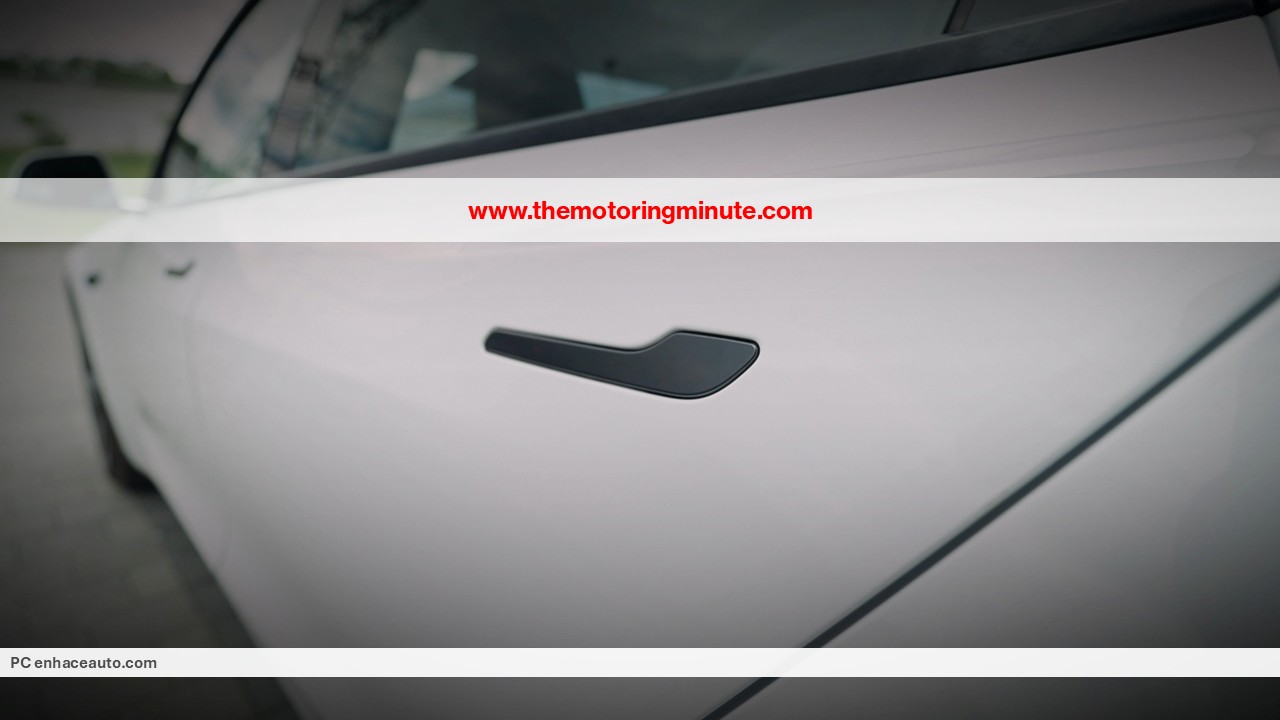
The Purpose of Electrically Retractable Handles
The retractable door handles were made popular by Tesla from its 1st model S in its early days. Later most of the EV makers have adopted these modern door handles. What is the purpose of these door handles?
Aesthetic Sleekness: They provide a clean and modern vehicle profile.
Aerodynamics: Slightly enhance efficiency—roughly 0.6 kWh/100 km in EVs
Perceived high-tech appeal: Brands market them as futuristic features aligned with smart, connected vehicles.
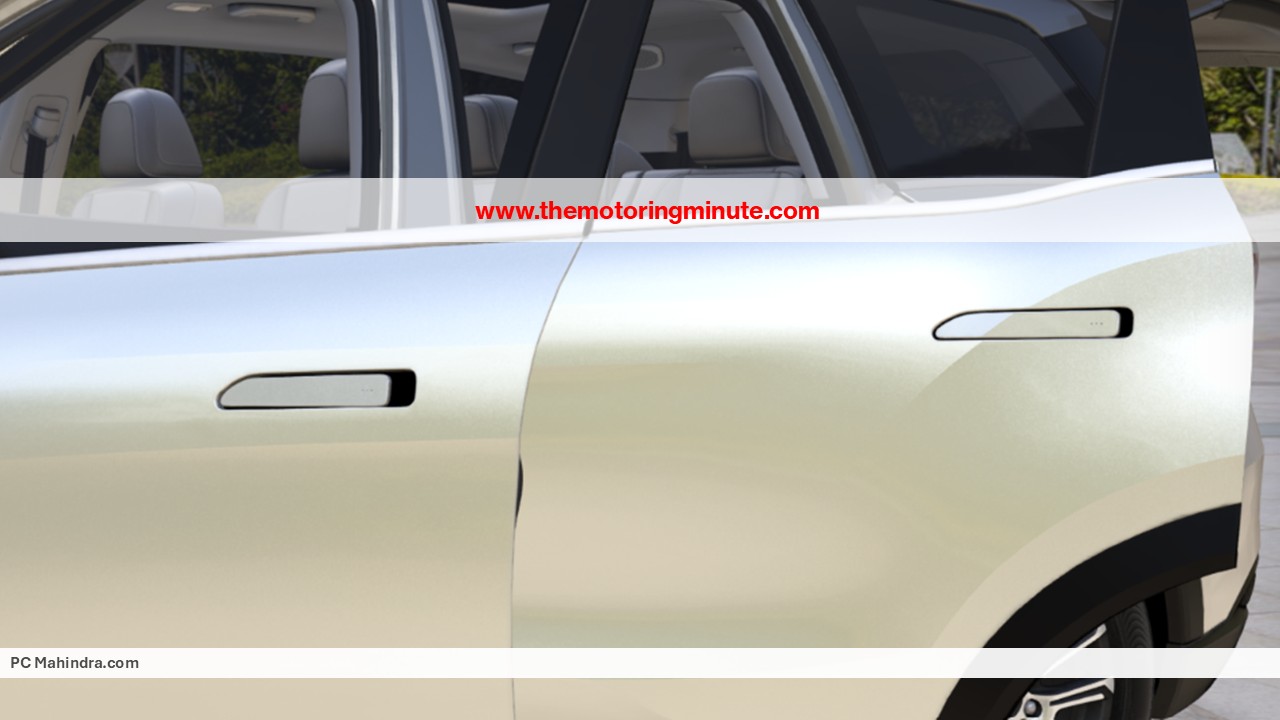
Retractable Door Handles Fail in Emergencies
Though the retractable door handles looks great, bring better aerodynamics for EVs for better range & speed, it raises passenger safety, as they are electronically operated requiring power to operate them. In case of accident cars looses power therefore:
Total power dependency: Once the vehicle’s battery is offline (due to crash or fire), handles fail to deploy.
Obscured emergency releases: Mechanical backups are hidden or unintuitive, especially for first responders and panicked occupants, making them inaccessible under stress.
Design aesthetics over safety: Smooth lines and reduced drag margin (0.005–0.01 drag coefficient improvement) are favored over fail-safes.
Jamming of handles: In case of side impact the door handles are prone to jam due to impact.
The automakers are prioritizing aesthetics over passenger safety without any backup to operate these door handles, that fail during emergencies.
How Many Deaths Have Been Linked — And Where?
Deaths due to no functionality of the retractable door handles have been caused mainly in USA and China
United States of America
A Bloomberg investigation found at least 15 fatalities in the U.S. where Tesla occupants were unable to open electronically actuated doors after crashes, many involving subsequent fire engulfment or power failure. Victims were trapped inside for extended periods, sometimes requiring first responders to break windows to perform rescues.
China
On October 13, 2025, a fatal crash involving a Xiaomi SU7 Ultra took lives when bystanders couldn’t open the electronically operated handles as the vehicle went up in flames. A similar incident occurred in Tongling, where three people died because rescuers couldn’t open the flush handles to access the vehicle.
While statistics are limited, these incidents—15 in the U.S. and at least 4 in China—underscore a vulnerability with catastrophic consequences. These are just officially reported numbers, I strongly believe that it could go up in 100s in upcoming years if this issue is not address by authorities.
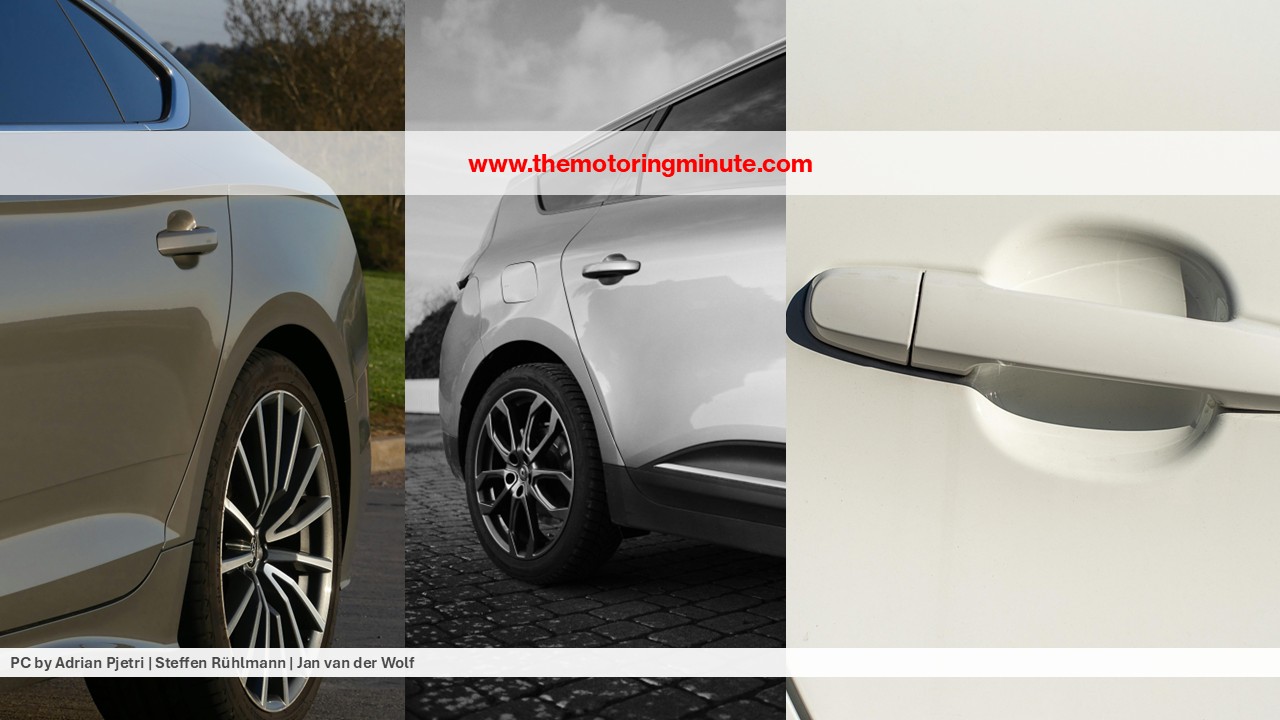
Why the Ban Is a Smart Move
A strong regulation needs to be in place that brings standardization and sensibility to the ergonomics of the modern EVs. As many fire fighters have experienced that they were unable to save the lives due to poor design of these door handles:
Lives First: Automakers must put passenger safety above style.
Clear Regulations: China’s new mandate requires manual emergency handles inside and outside EVs under 3.5 tons.
Global Ripple Effect: As the world’s biggest EV market, China’s standards will influence global design philosophies.
China has set a precedent in the world of automotive safety, therefore other countries would and should quickly take similar steps to make lives first.
Who Still Uses vs. Who Avoids These Handles
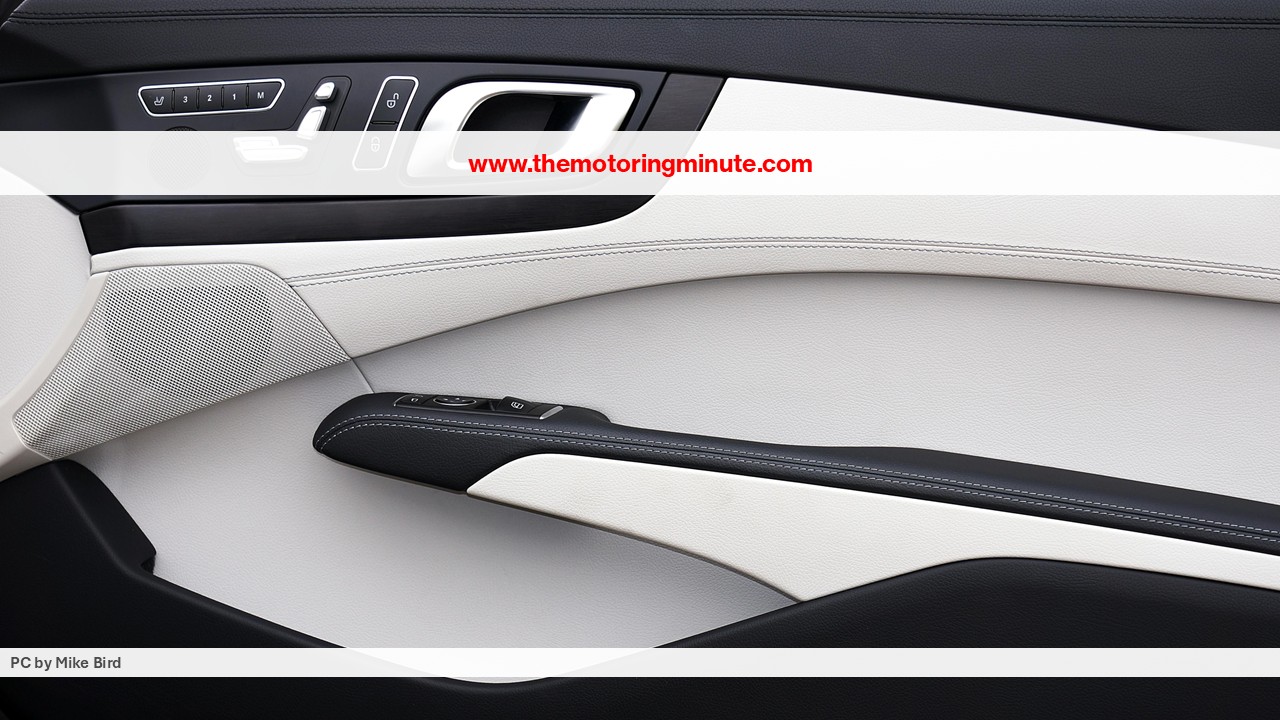
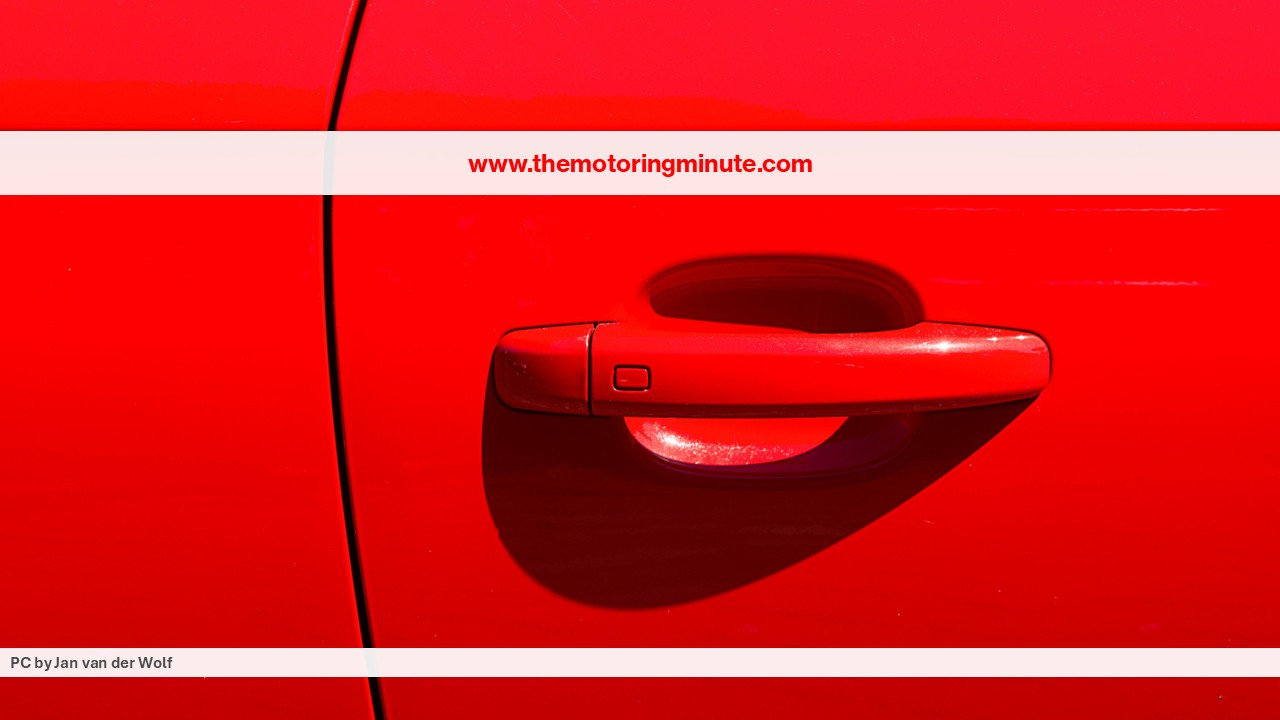
Brands Still Using Electronic Retractable Handles:
Tesla
Xiaomi (SU7 Ultra)
Ford
BMW
Rivian
Mahindra (EVs & XUV 700)
Tata
Land Rover
Volvo (EVs)
Brands Avoiding Them:
Volkswagen — recent EVs continue using conventional surface-mounted handles.
Opel — latest models also favor traditional handles.
Toyota
Honda
Suzuki
Renault
Fiat
Volvo (Hybrids / Petrol powered cars)
Mostly gasoline/petrol powered and hybrid vehicles also use mechanical handles.
These brands emphasize usability and safety while maintaining compliance with evolving safety standards.


Summary
Though sleek and efficient, electronically retractable door handles have proven deadly liabilities. With 15 deaths in the U.S. and multiple tragedies in China directly tied to their failure, banning these systems until reliable manual backups are standard is not only justified but essential. Brands like VW and Opel are leading by example—prioritizing safety over superficial innovation. As regulations evolve, safer door designs could quickly become a global baseline.
Let us know your comments in the section below or write me on writetous@themotoringminute.com
Your comments on this blog
Insights
Explore trends in the automotive world
Connect
Drive
© 2025. All rights reserved.