


Ultimate Car Buying Guide for Germany: Every First-Time Buyer Should Know
If you are living in Germany and you are about to buy your first car, you have tonnes of questions! People in my network approaching me with similar questions which one to buy, what are the options, where to buy, how to buy and the list goes on! Therefore I am sharing important guidelines that you can use easing your car selection.
DRIVING TIPS
Amit Palsule
12/26/20255 min read

1. Do I Really Need a Car?
Germany boasts one of the best public transportation systems in Europe. If you live in a city like Munich, Berlin, or Hamburg, trains, trams, and buses can cover most of your needs. Owning a car makes more sense if:
You live in the outskirts or rural areas
You frequently travel long distances
You need flexibility for family or work
Before putting your hard earned money on a car, ask yourself: Is it a necessity or a convenience?


2. Don’t Rush Into It
Many people get their license and immediately dream of owning a German brand like BMW, Audi, or Mercedes. While these cars are iconic, they come with:
High maintenance costs
Expensive spare parts
Premium insurance rates
Take time to research reliability, total cost of ownership, and whether the car fits your lifestyle.
3. Calculate Your Monthly Budget
Owning a car in Germany involves more than just the purchase price you need to consider:
Down payment
Monthly installments (if financed)
Insurance premiums (new drivers pay more)
Fuel or charging costs
Local emission fees (Umweltplakette)
Parking charges
Maintenance and repairs
Tip: Create a spreadsheet to estimate your monthly car-related expenses before committing.
4. Battle between: Buy vs. Lease
Leasing looks attractive because of lower monthly payments and access to new models. However:
Hidden costs can add up
Lease contracts often have mileage limits (usually 10.000 km default)
Delivery times for new cars can be long
Every upgrade add up monthly leasing costs
Returning car can have few charges (Exterior & interior damages)
In case your employer is offering better deals without any upfront costs check with your colleagues about their experience. There are also few perks of leasing as many companies also include maintenance in the monthly payment. Leasing is also great if you have a 2nd car, as in case you exhaust your kms, you can use your other car.
If you plan to keep the car for 3+ years, buying might be more cost-effective.
5. Where to Search for Cars?
Following websites are the most trusted platforms for buying/leasing cars in Germany:
My recommendation is to avoid any facebook marketplace, kleinanzeigen and private sellers as there are high chances of reliability of the sellers, technical issues, laps of warranties, most importantly scams.
We recommend use the following filters when you are searching for cars online:
Fuel type: Petrol, Hybrid, Electric
(Avoid buying Diesel cars due to strict pollution control norms in EU & in big cities)
Emission standard: Euro 5 or higher
Mileage: upto 50.000 km or 70.000 km
(as you get almost new cars with hardly 2 to 3 servicing have been completed)
Vehicle age: Max 5 to 6 year old car (As cars get older it becomes technologically and mechanically older)
In Warranty
Full service history
Nearby dealer to your location within (5 to 20 km radius)
Country of car: Germany (sometimes its challenging to register non German cars in Germany as they might not be available in vehicle registration directory)
Immediate availability
Don't show damaged cars (Denting, panel changes, bumper repairs are fine)
Emission class: 4
Engine capacity: 1000 cc above in case you are looking for driver oriented car
(If you are fine with 999 cc engines is also fine it has least taxes)
Features:
Rearview camera/Parking sensors/ Park assist
Heated seats
Heated steering wheel
Android auto/Apple Carplay (Good to have for Maps)
More than 2 airbags
ABS, EBD, Traction control
LED headlights
ISO fix
Winter package includes winter tires, rear defogger, fog lamps (Must have)
Above filters are from my personal recommendation which is most likely give you great results.
You can change according to your preference other criterion.

6. Reliability & Dealer Reputation
During your vehicle search you will always find high end cars sold at unbelievable cheap price, therefore stay away from these offers. You might encounter later once you buy that car and it will have long list of errors requiring high costs to resolve them. Therefore my recommendation is always go to car dealers and look for certified/verified cars. My recommendation always check
Car reliability ratings (brands like Toyota, Mazda, Honda, and VW score well in reliability).
Dealer reviews and reputation (Check in your network if they have any good contacts to authorized dealers)
Avoid non-affiliated dealers offering “too good to be true” deals.
Always verify:Service history
Vehicle documents
No outstanding loans or accidents
Look for any panel gaps
Underbody health & rusting
Oil leakages
Observe any unusual noises
I believe your hard earned money should go in a proper channel and avoid disputes, penalties due to unfitness of the car.
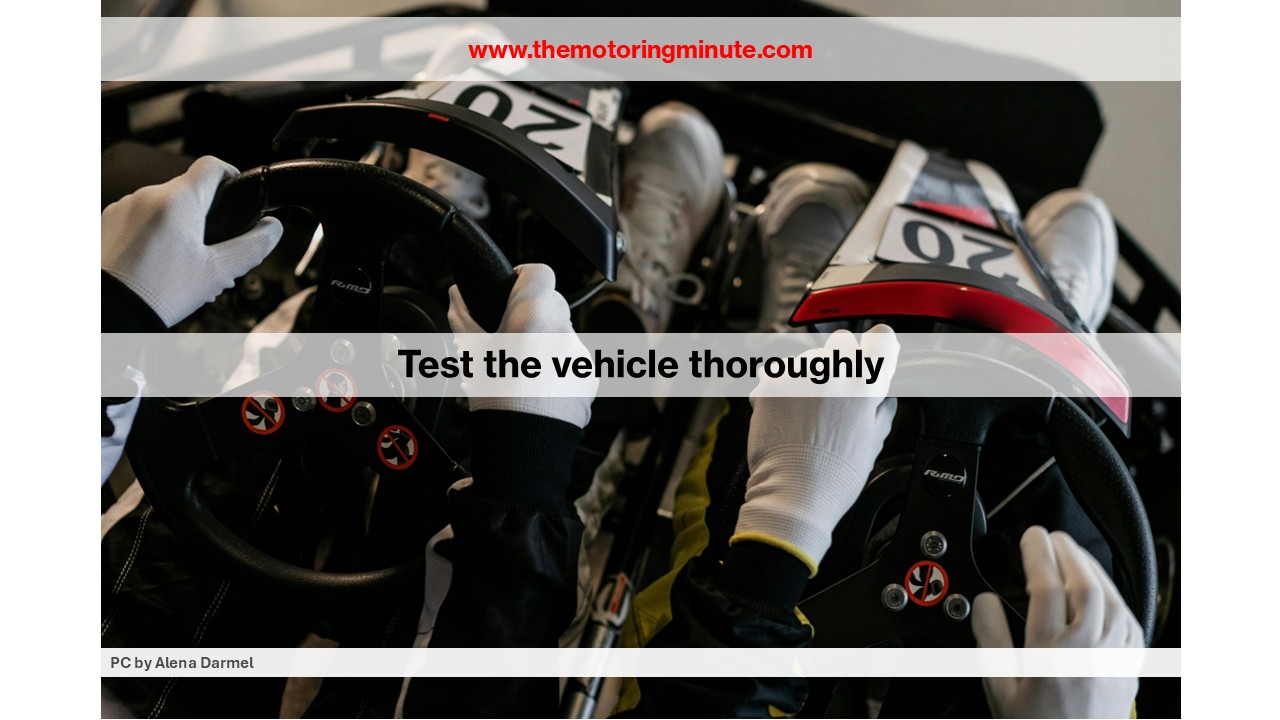
7. Test the Vehicle Thoroughly
Before you make your final decision, I recommend that you must take a thorough test drive of at least 40 minutes to check the vehicle dynamics
Book a test drive
Inspect the car mechanically, technically, and aesthetically.
Check service records and electronic systems. If unsure, bring a trusted mechanic
Another smart move: rent the same model for 2–3 days to see if it suits your requirements
If your close friends have the same car check their opinion or borrow the car for few hours


8. Final step your are buying your car
Now you have decided that you have finalized the car, congratulations! However there are a lot of steps to do before you get the car keys. We have covered just an overview of the steps.
Final inspection of the car
Tell the dealer that you have decided to buy this car
Dealer will send the contracts to you
Check financing options
Get the car details from dealer to buy insurance
Purchase the insurance from trusted insurers
(You can use Check24 or take advantage of your friend's referral)Get the eVB number (electronic insurance confirmation) from your insurer.
Send eVB to the dealer for vehicle registration
Take help of your dealer to get TÜV/Dekra certification of the vehicle
Complete contract signing
Get number plates and install them (You can also ask the dealer to complete this step)
Better to have a predelivery inspection at least a day before
Pick up your car on the agreed date enjoy the driving!
The above steps take usually 2 to 3 weeks from the moment you decided to buy the particular car.
Summary.....
Don't rush - Research thoroughly, be practical rather than emotional
Consider all the costs including rent for the parking you will pay
Choose reliability over prestige and social status
Test thoroughly before you buy, invest good amount of time
Understand the vehicle registration steps
In case you need any personal consultation feel free to reach out to me, I will offer best value proposition and make you smile.
Let us know your comments in the section below or write me on writetous@themotoringminute.com
Your comments on this blog
Insights
Explore trends in the automotive world
Connect
Drive
© 2025. All rights reserved.